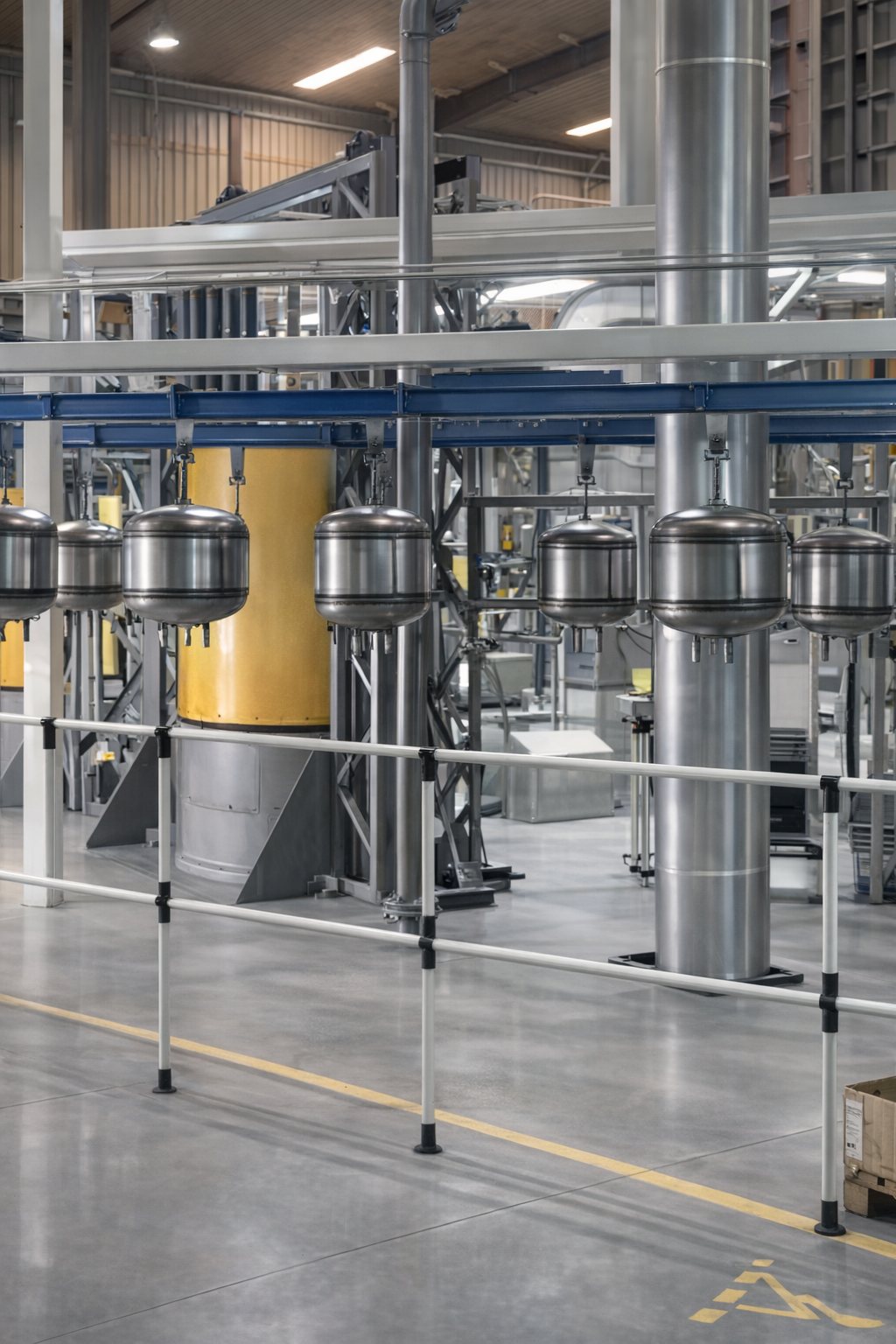
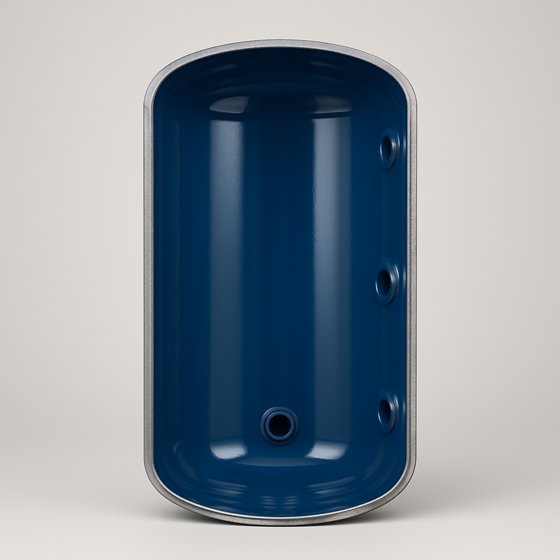
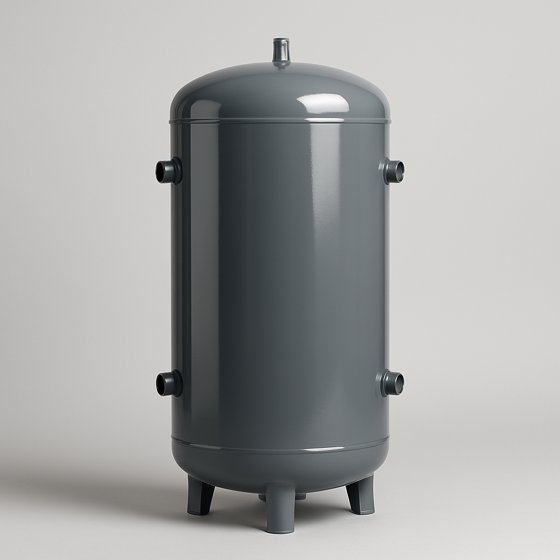
Inner Tank (Hot Water Vessel)
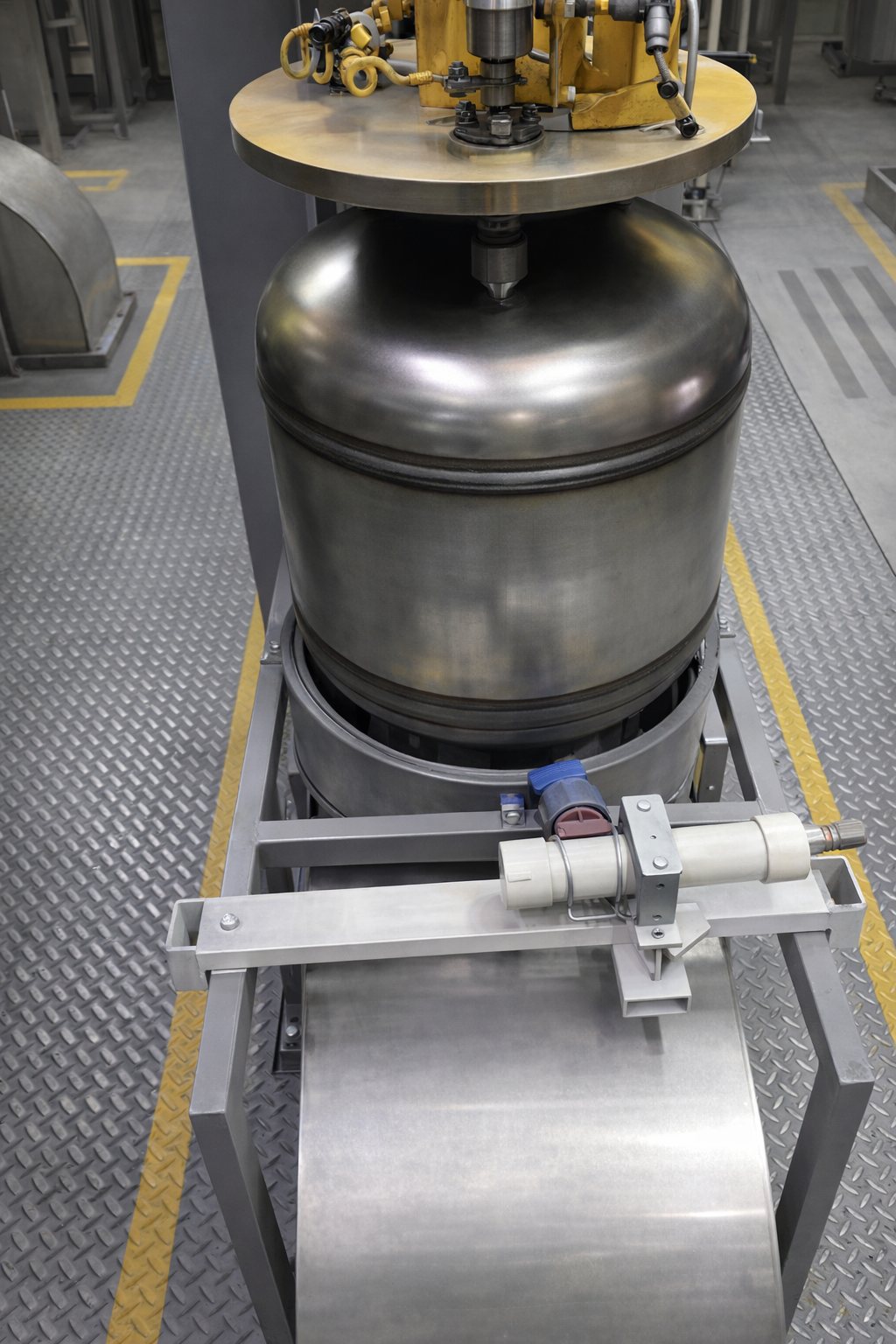
Non-porous coverage of internal weld seams and dished ends is essential; electrostatic powder enamel verified by holiday testing for long life under hot water, pressure and fluctuating pH.
Request Details & a Quote
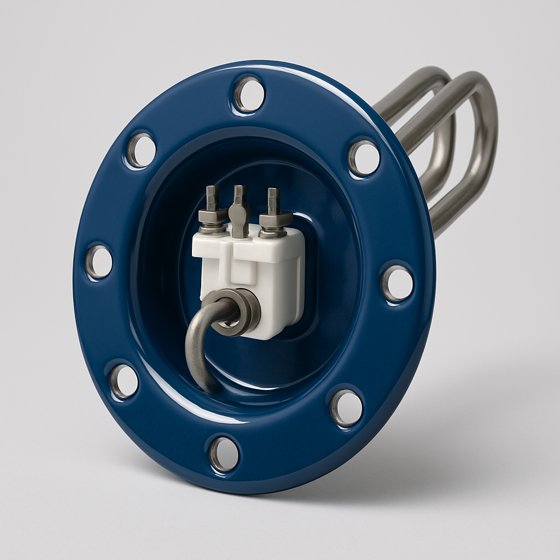
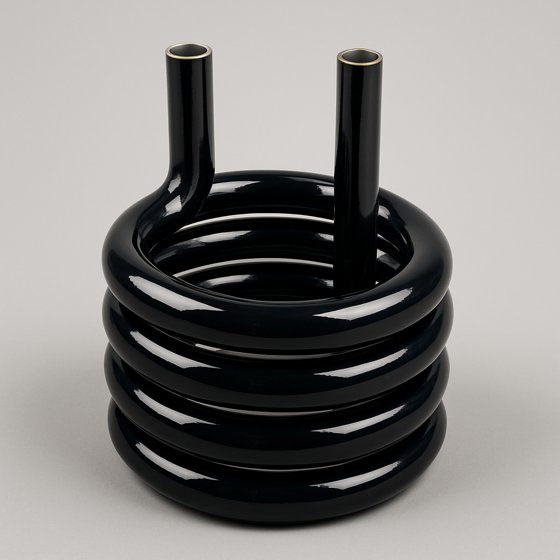
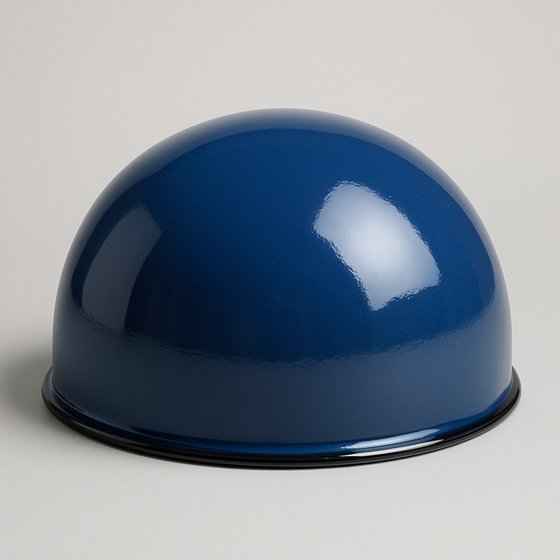
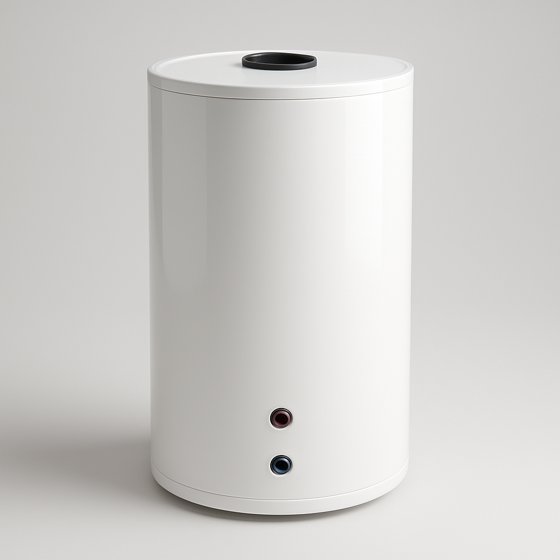
Electrostatic vitreous powder enamel (~780–850°C firing) for the inner tank and powder coating for the outer casing — engineered for corrosion resistance, EN 12897 compliance and long service life in boiler and water heater production.
A water heater combines two different coating processes. The inner tank is coated with electrostatic powder (vitreous) enamel for protection against hot water and corrosion — a glass layer fused to metal at approximately 780–850°C, not a paint. The outer casing (galvanized/steel jacket) is finished decoratively and protectively with powder coating cured at ~160–200°C. The two processes are clearly distinct: the tank is coated with electrostatic powder enamel, not wet enamel.
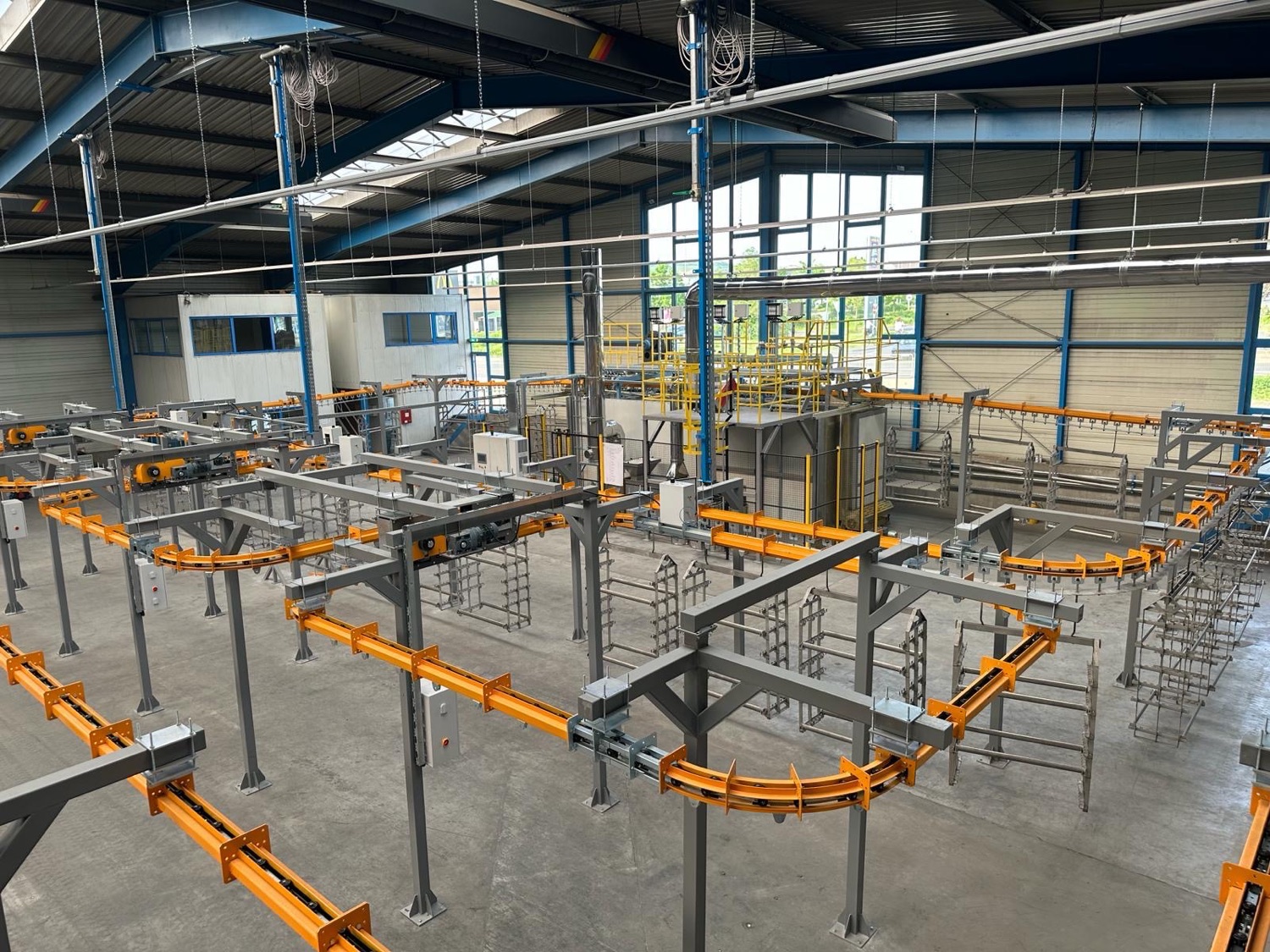
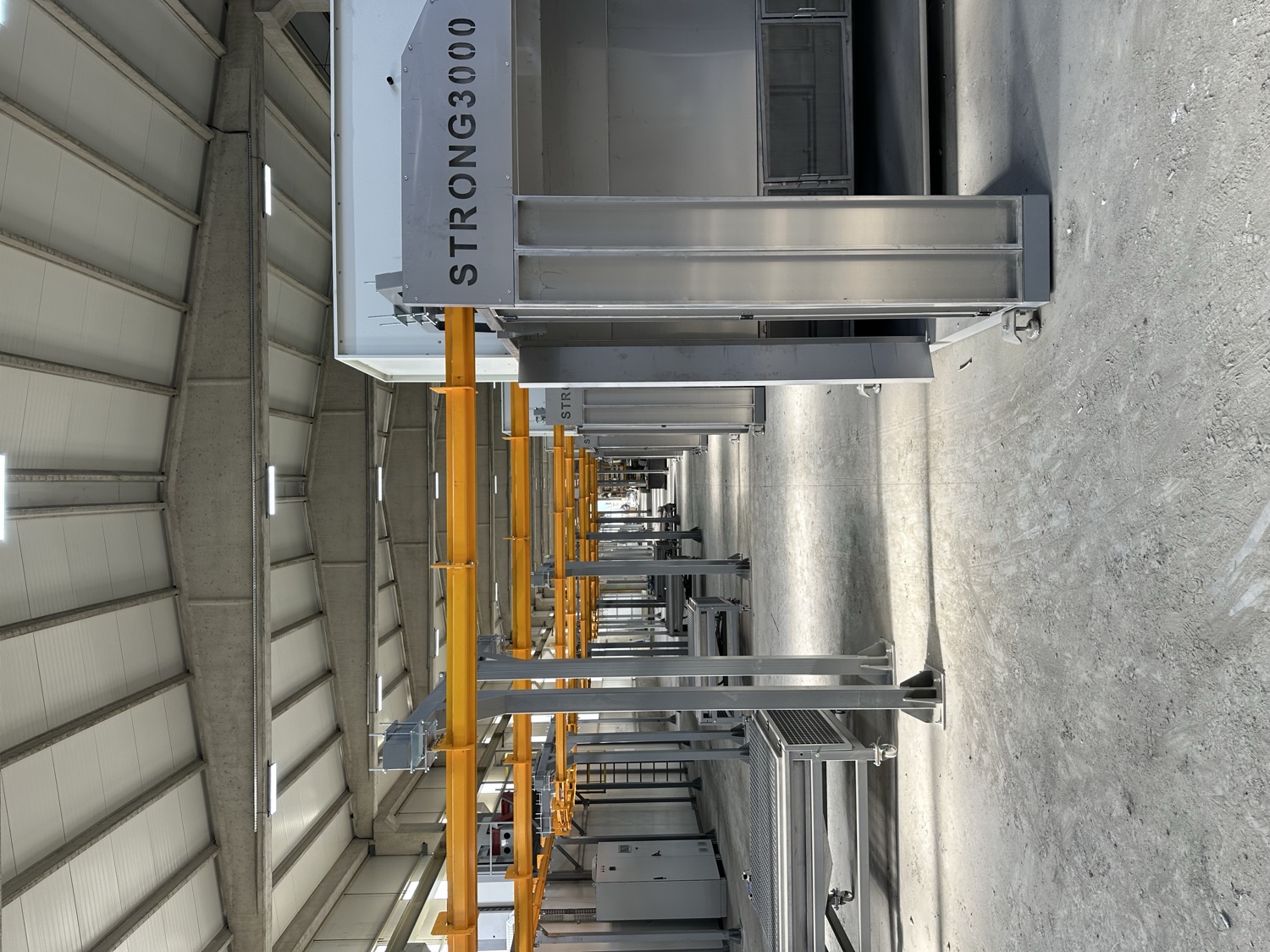
From individual application equipment to complete turnkey lines, we tailor the process to every tank geometry and production target.

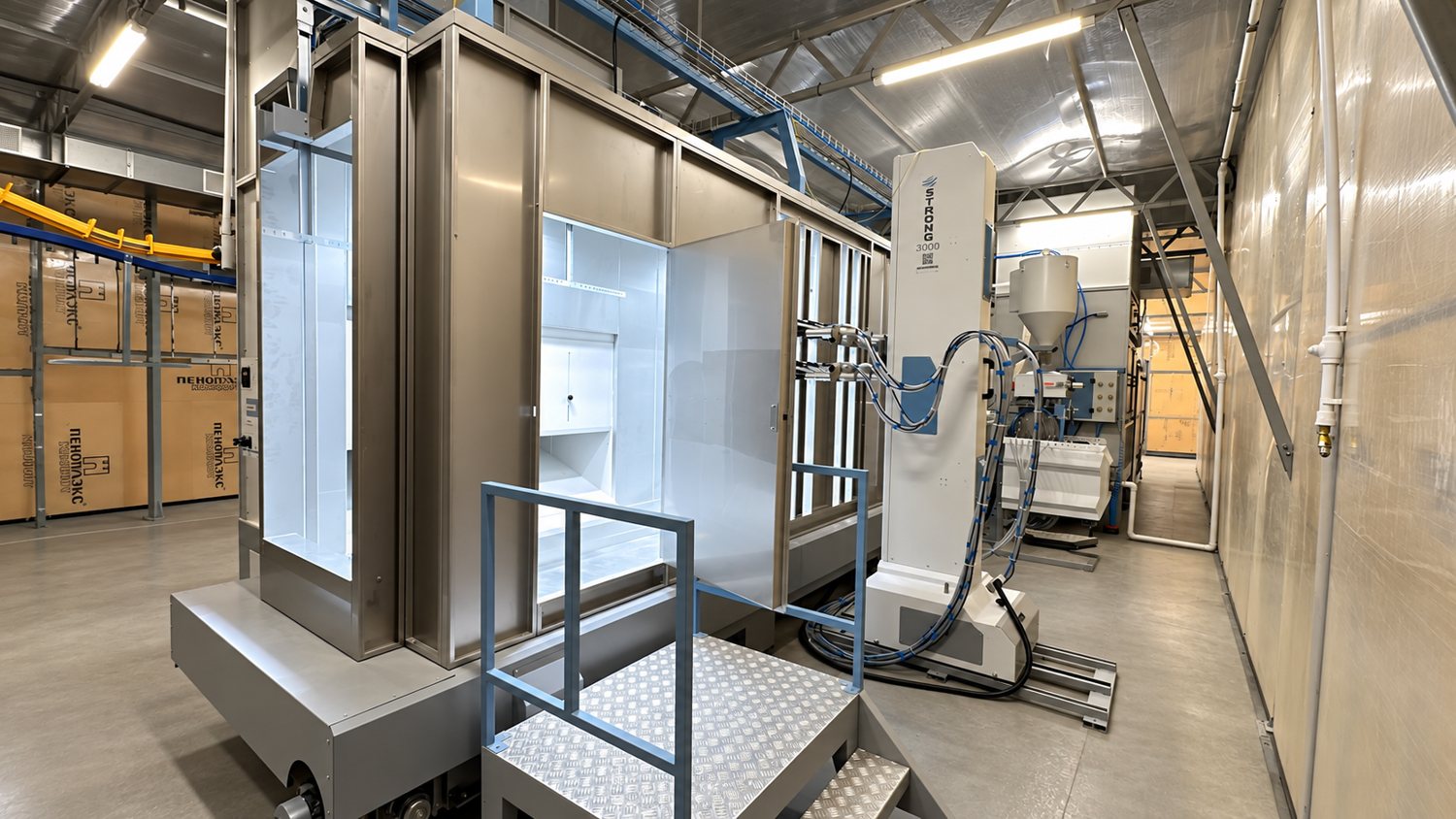
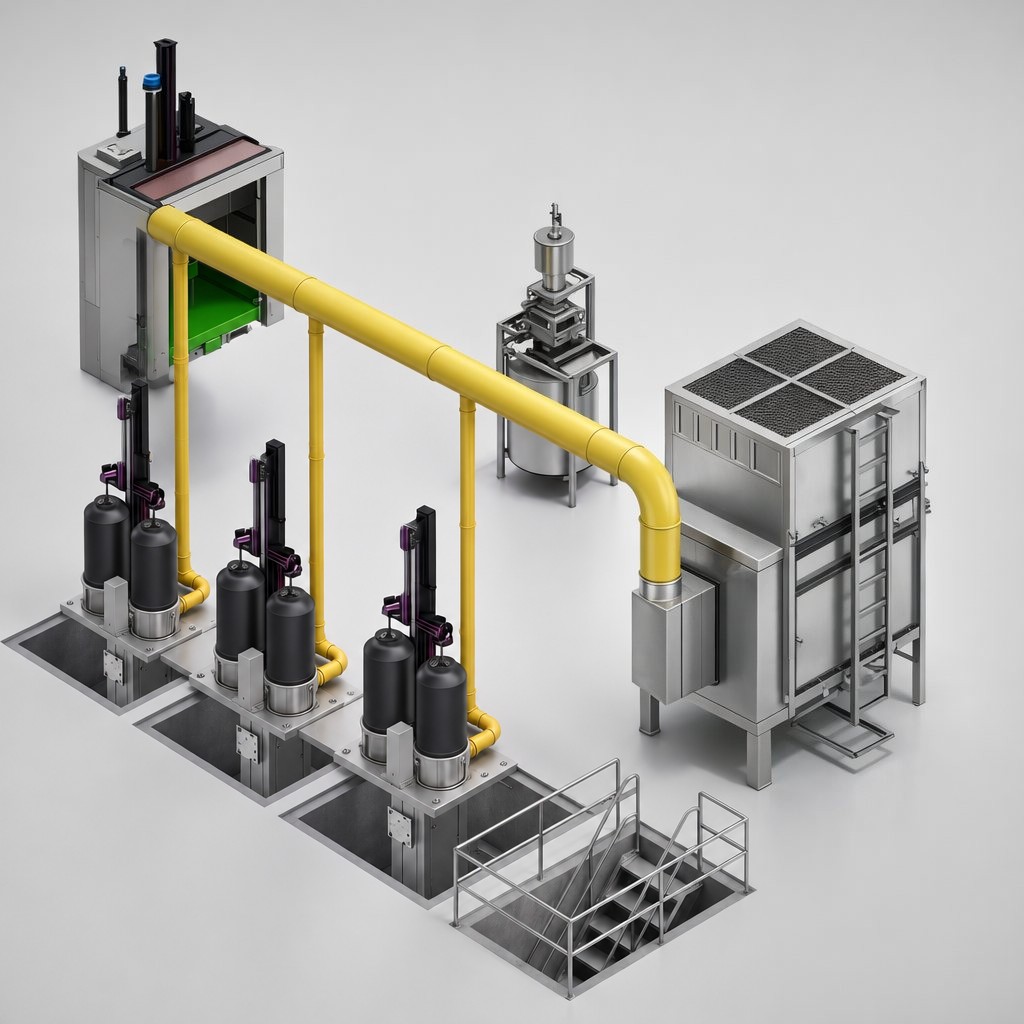
From our own engineering drawing: the STRONG3000 boiler coating plant where feeding, application, suction and recovery run as one closed loop.
12345Feeds powder enamel continuously to the station guns.
Sieves the extracted overspray and returns it for reuse.
Filters the air drawn from the tanks for clean exhaust.
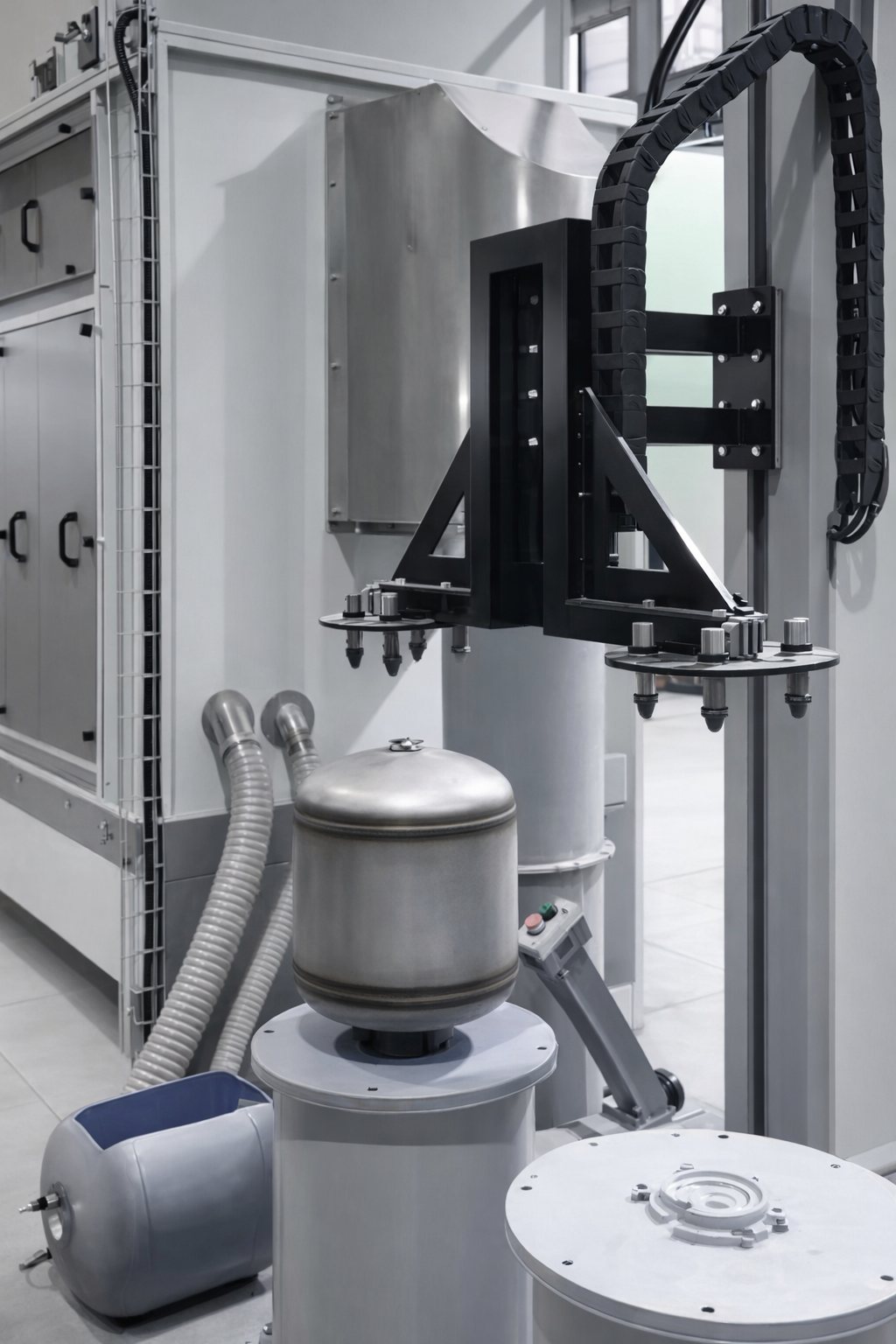
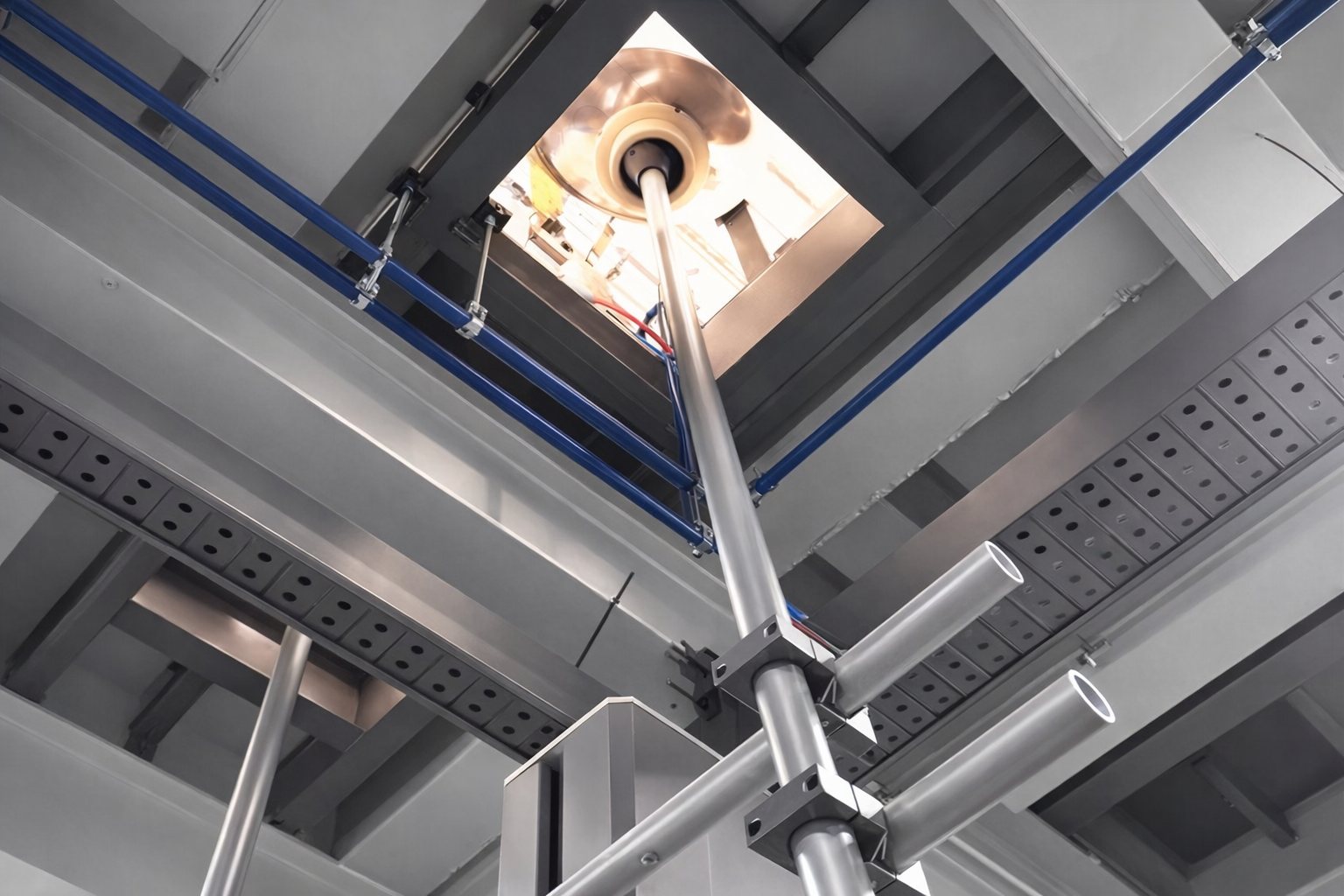
Vertical columns installed in a pit below floor level move the lance gun along the tank axis. A pit with stairs gives access for maintenance.
Tanks stand at floor level; at each station two tanks are enamelled on the inside at the same time.

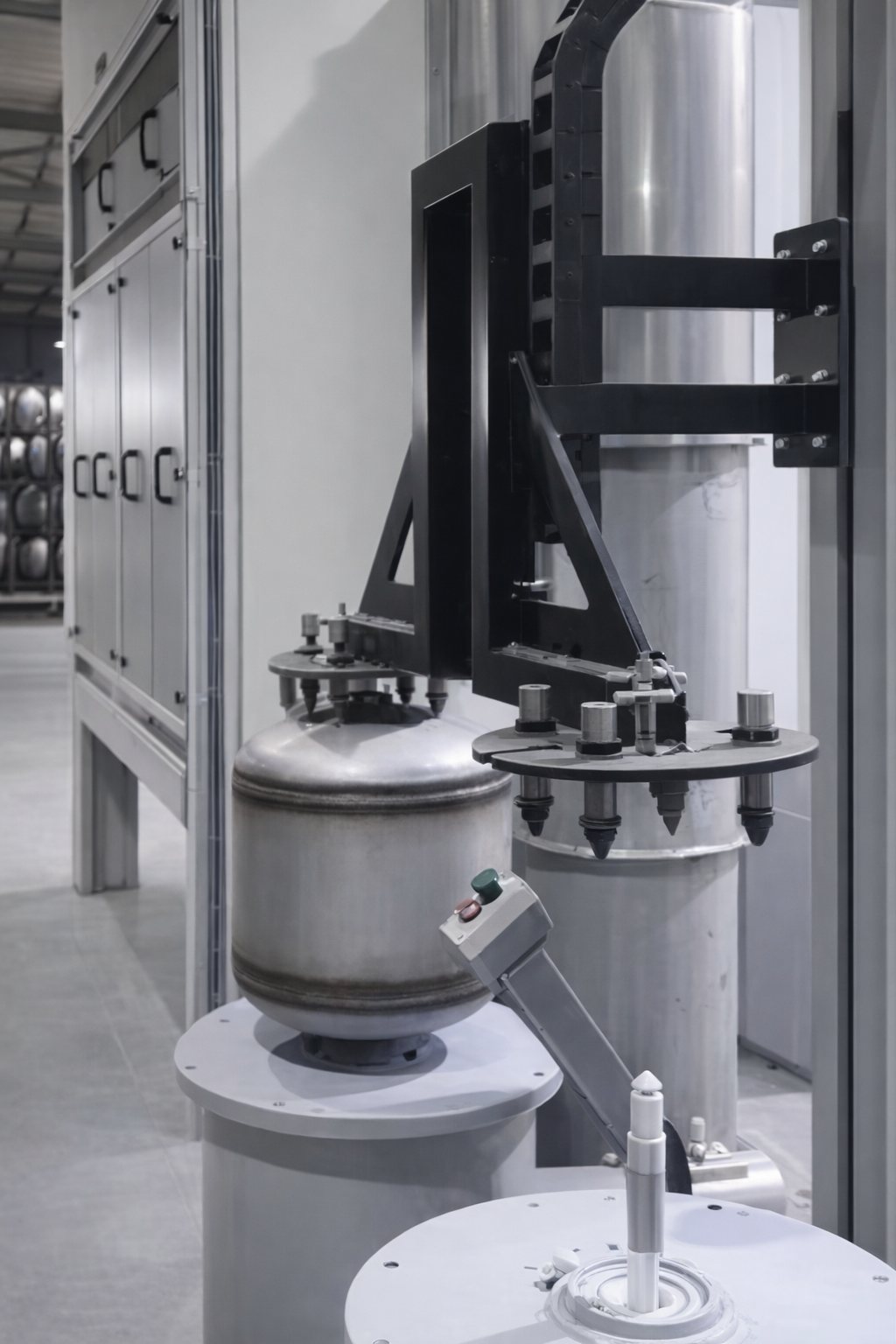
The boiler tank sits on the station by its bottom flange — the single entry point for the gun and suction.
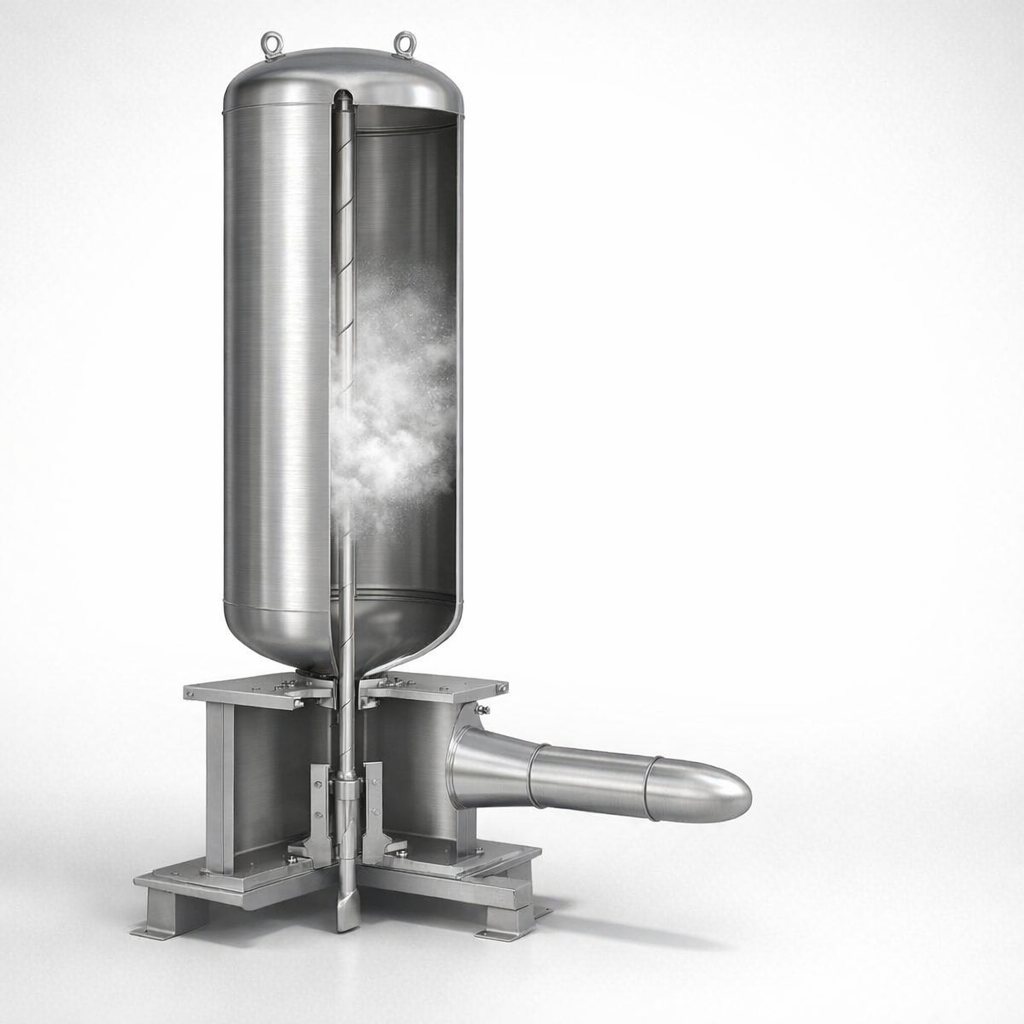
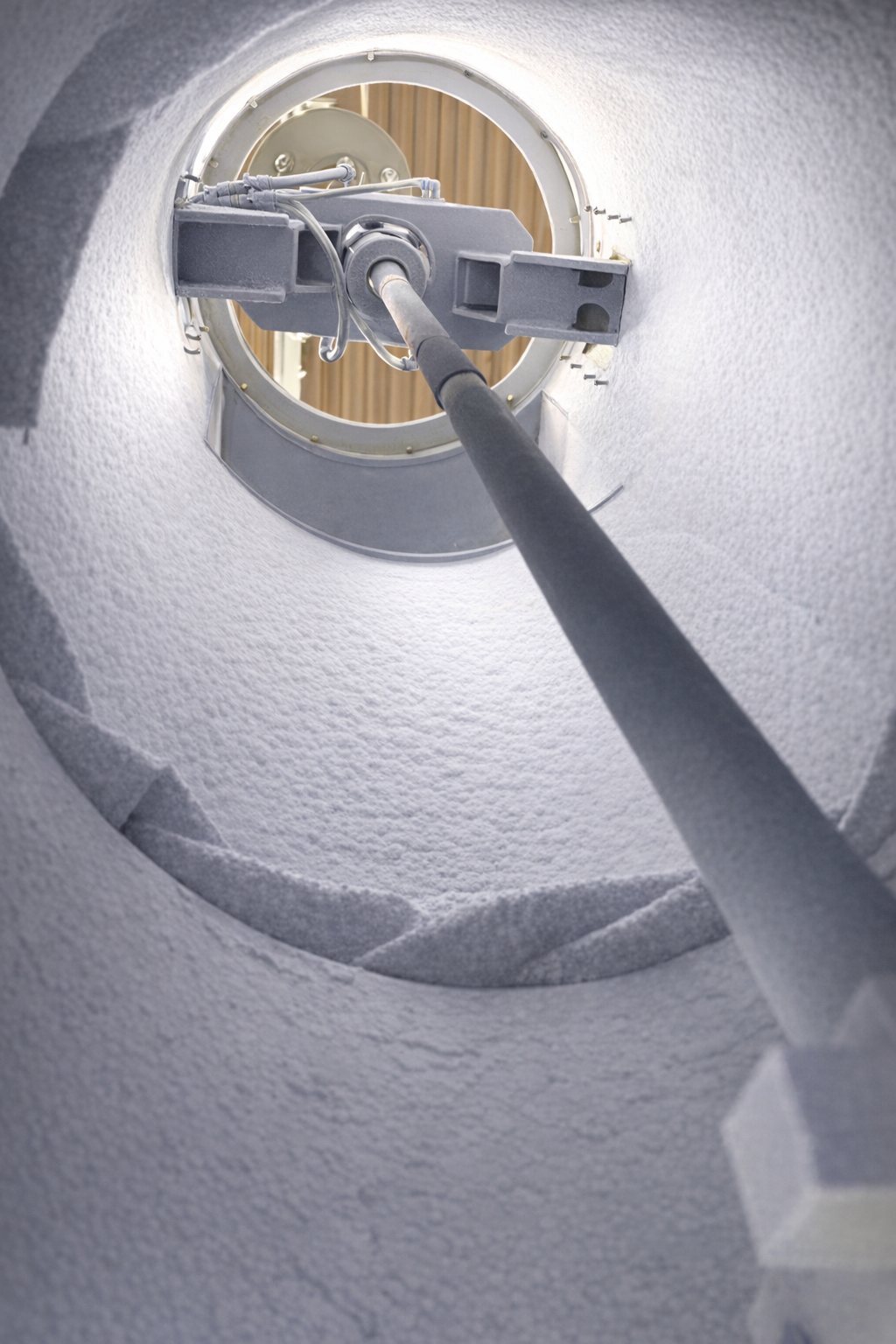
The gun nozzle enters along the tank axis from below; the painting robot moves it vertically through the tank.
The inner surface — including welds and dished ends — receives an even layer of powder enamel.
The suction pipe extracts overspray from the tank; the recovery center sieves it and the filter cabinet cleans the air.


A water heater brings two separate surface technologies together in a single body: interior surfaces in contact with hot water are fused with electrostatic powder (vitreous) enamel at ~780-850°C, while the outer jacket is finished with powder coating cured at ~160-200°C. Every part has its own challenges — internal weld seams, flange openings, tight coil passages. Below we summarize how we approach these parts; you can download part-specific technical datasheets (PDF) for the detailed engineering/metallurgy approach.

Non-porous coverage of internal weld seams and dished ends is essential; electrostatic powder enamel verified by holiday testing for long life under hot water, pressure and fluctuating pH.
Request Details & a Quote
Risk of Faraday effect and outgassing at heating element tube openings and weld joints; continuous protection with the same acid-resistant powder enamel as the inner tank.
Request Details & a Quote
Risk of runs and bridging in tight coils and small tube diameters; thin, acid-resistant wet (slip) enamel that preserves heat transfer for in-tank corrosion protection.
Request Details & a Quote
Edge pull-back at deep dished radii and continuity at the circumferential weld are challenging; seamless protection with the same powder enamel system as the inner tank.
Request Details & a Quote
Adhesion on thin galvanized sheet and color consistency over large surfaces are critical; conversion coating + powder coating for a smooth, durable outer jacket finish.
Request Details & a Quote
Large bodies with numerous socket outlets and external weld seams; conversion coating + powder coating for a uniform, corrosion-resistant exterior surface.
Request Details & a QuoteElectrostatically applied, fired vitreous enamel for the inner tank — protects against hot water and corrosion.
Durable decorative and protective organic powder coating cured at ~160–200°C for the outer casing and jacket.
Reciprocators and robotics for consistent, high-volume tank production.
Complete finishing plants engineered around your tank enameling and casing painting production targets.
Adaptive control for repeatable results across a wide variety of tanks.
Uniform enamel thickness on deep tank interiors and cavities.
A water heater line requires two separate surface technologies: electrostatic vitreous powder enamel for the inner tank and organic powder coating for the outer casing. STRONG3000's expertise in both means a single partner can engineer both the corrosion-resistant tank enameling and the casing painting stages.
Related equipment: Powder Enamel Firing Furnace · Powder Enamel Gun · Enamel Injectors
Selected projects from STRONG3000 plants in operation.

Automatic line-type wet enamel plant for the inside and outside of valves and pipes. Filtered, stackless application booths.

Sintering (enamel) furnace, washing and drying line for enameling plants.

Automated enamel application and material handling plant for flat parts.
Powder enamel coating lines for white goods interiors and powder coating lines for outer casings.
Wet (slip) enamel dipping and spraying lines for cast iron pots and pans.
High-temperature powder coating and vitreous enamel coating equipment for stove and flue products.
Tell us about your tank and volume — we'll recommend the right enameling and painting processes and line configuration.
Tell us about your water heater tank and volume. A STRONG3000 engineer will get back to you with a recommended process.